Silicon-based materials
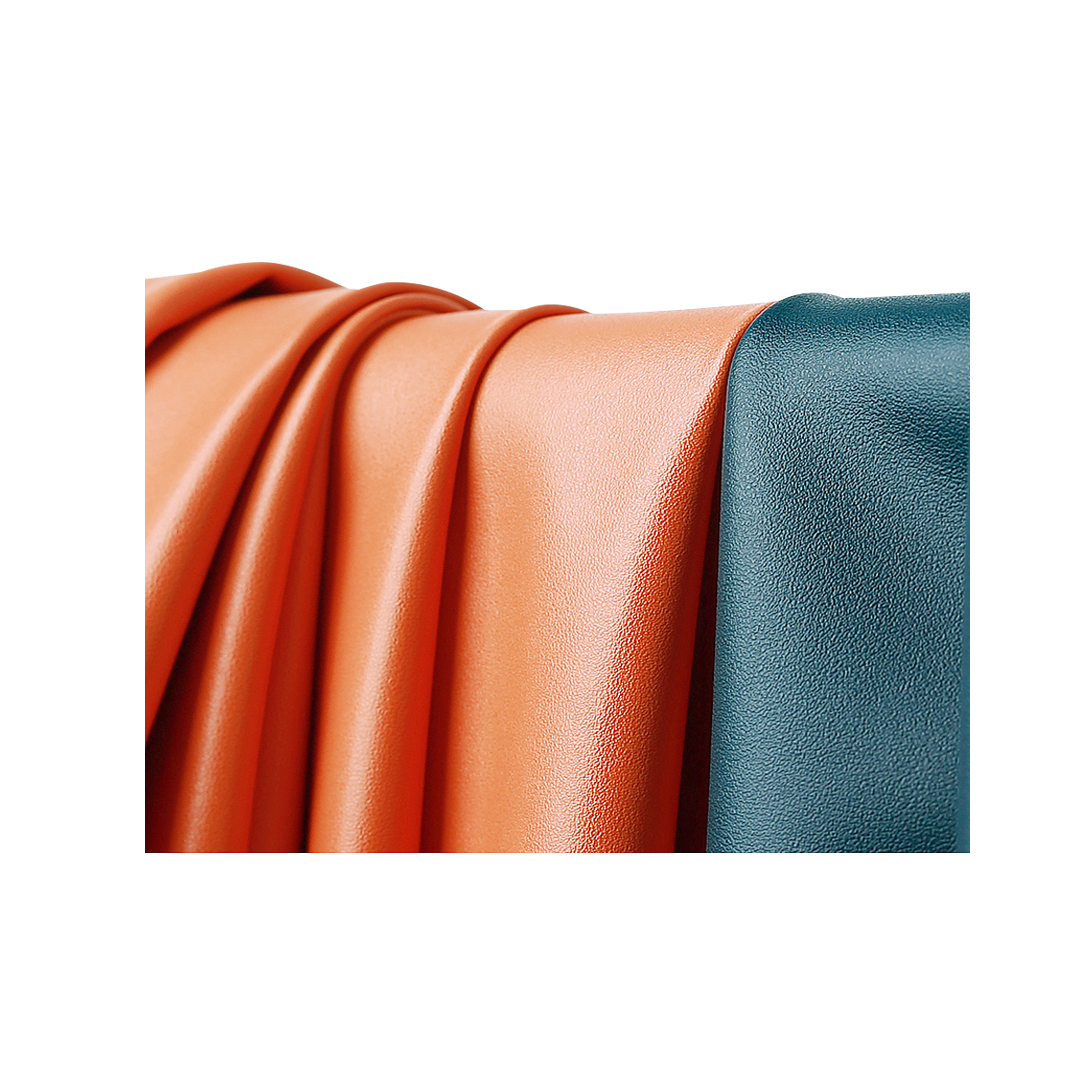
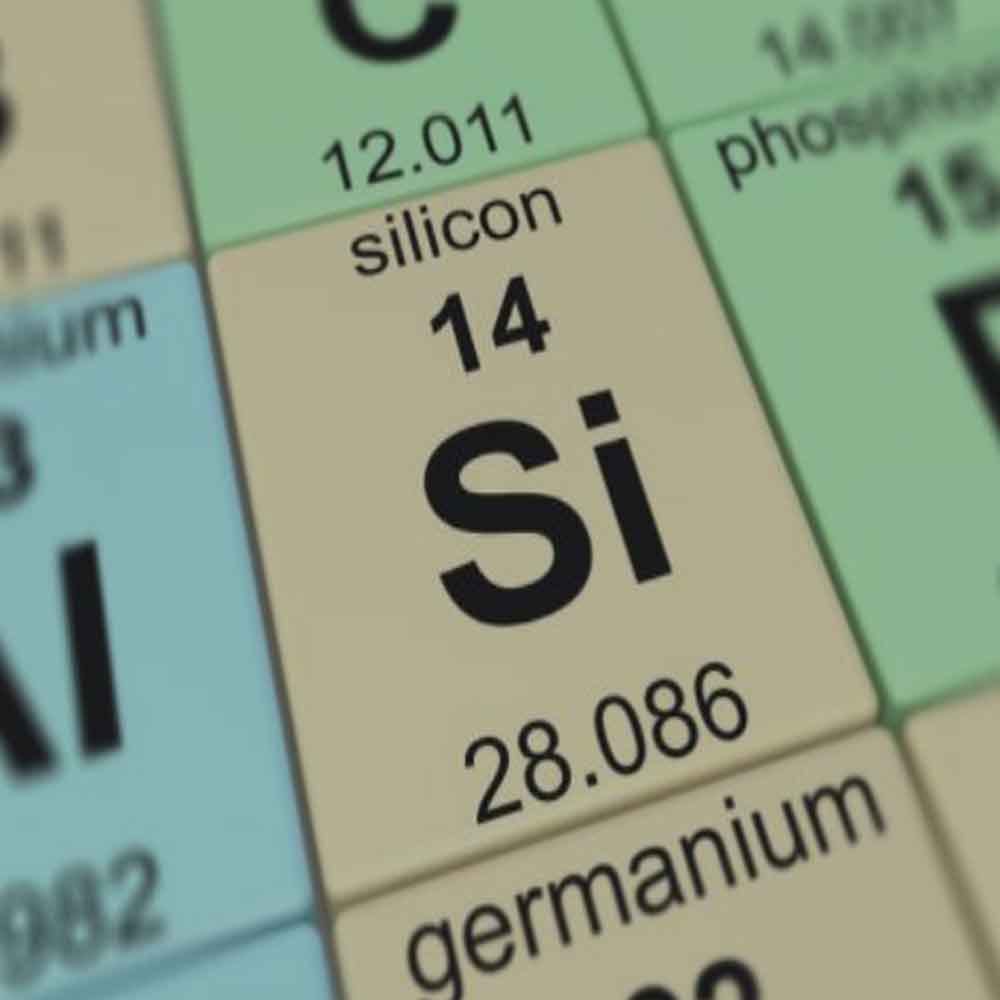
Silicones are polymers featuring a backbone composed of repeating -Si-O- units, with side chains bonded to silicon atoms via diverse organic groups. This unique structure endows silicone materials with the thermal and chemical stability characteristic of inorganic compounds, alongside the elasticity and plasticity inherent to organic polymers.
TuoSung
Si-O-Si main chain structure
Silicon-based materials
Abundant reserves
Compounds of silicon and oxygen are nearly ubiquitous across the Earth, accounting for 87% of the total mass of the Earth's crust, with extremely abundant reserves.
Diverse types
The forms of silicon-oxygen combinations on Earth include quartz, rock crystal, sand, granite, clay, mica, and others.

TuoSung
Molecular structure of silicones
Siloxane bond
Low surface tension
Superior stain resistance, and durable hydrolysis resistance
Enlarged Si-O bond angle
Excellent tensile properties, and high elastic recovery
Strong Si-O bond
Excellent UV resistance, heat resistance and cold crack resistance, oxidation resistance and chemical resistance
Sustainable
nvironmentally sustainable baby pacifier material, non-toxic and hypoallergenic.
Environmental Performance Characteristics of Silicone Leather
Environmental Compliance of Raw Materials
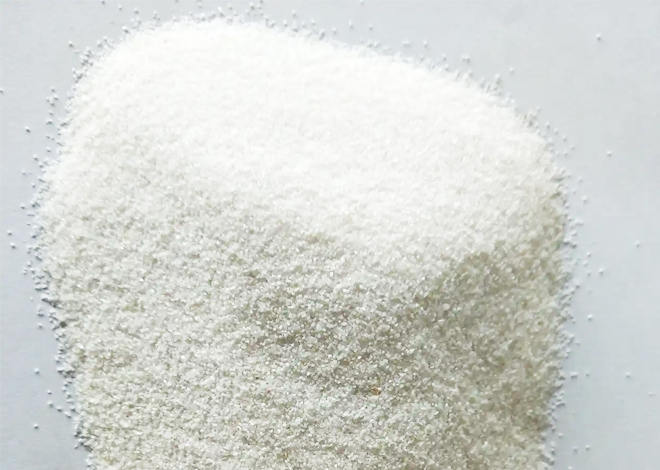
The source of silicone is quartz sand, silica ore, and other silicon-based materials; the source of PU, PVC, TPE, TPO, and other synthetic leathers is petroleum, natural gas, and other fossil-based raw materials; the source of genuine leather is animal hides.

Green manufacturing
From a manufacturing perspective, the resource consumption per yard of silicone synthetic leather production is as follows: Water consumption: 0 kg/yd; Energy consumption: 0.7 kWh/yd, only approximately two-thirds that of conventional leather products; Carbon emissions: 0.15 kg CO₂e/yd, only one-eighth to one-fifth that of conventional leather products; Silicone waste: 100% recycled and reused in closed-loop systems.
Renewable and Recyclable
In the production of silicone leather, many materials can be recycled and reused within closed-loop systems, including: Waste liquid degradation and regeneration (e.g., hydrolysis or enzymatic breakdown to recover reusable silicones); Recycling PET for fiber-based substrates (e.g., post-consumer PET bottles transformed into non-woven fabric bases via mechanical or chemical recycling).

Solvent-Free
Silicone leather requires no solvents from silica ore sourcing to production—eliminating irritating odors, contact allergies, toxic solvents, plasticizers, and exhaust emissions. Its inherent flame resistance avoids flame retardants and wastewater, while being fluorine-free (PFOA/PFOS-free) and devoid of anti-mold agents, ensuring no harm to biological or aquatic health.